Travel Journal
Travel Journal – San Juan La Laguna, Guatemala
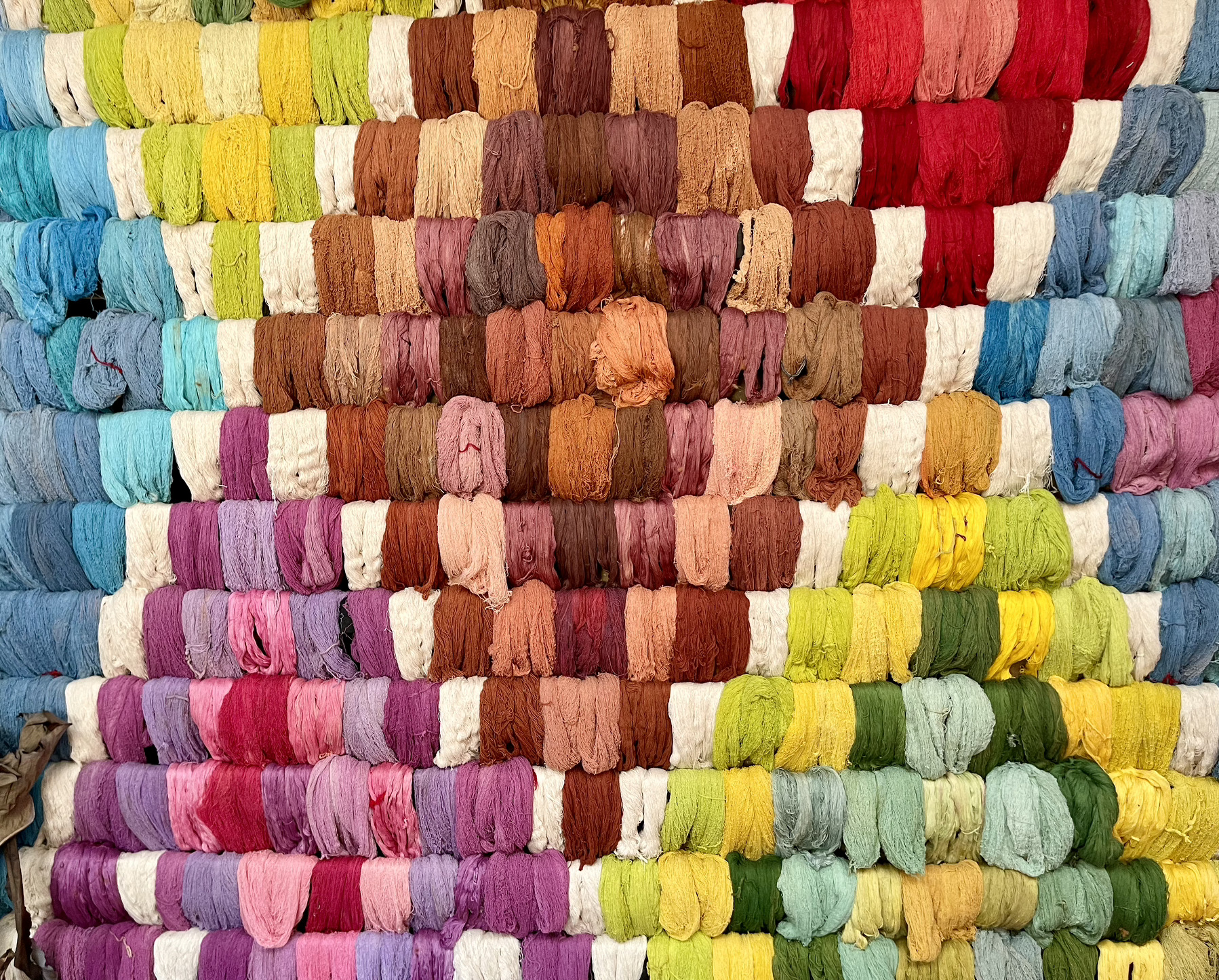
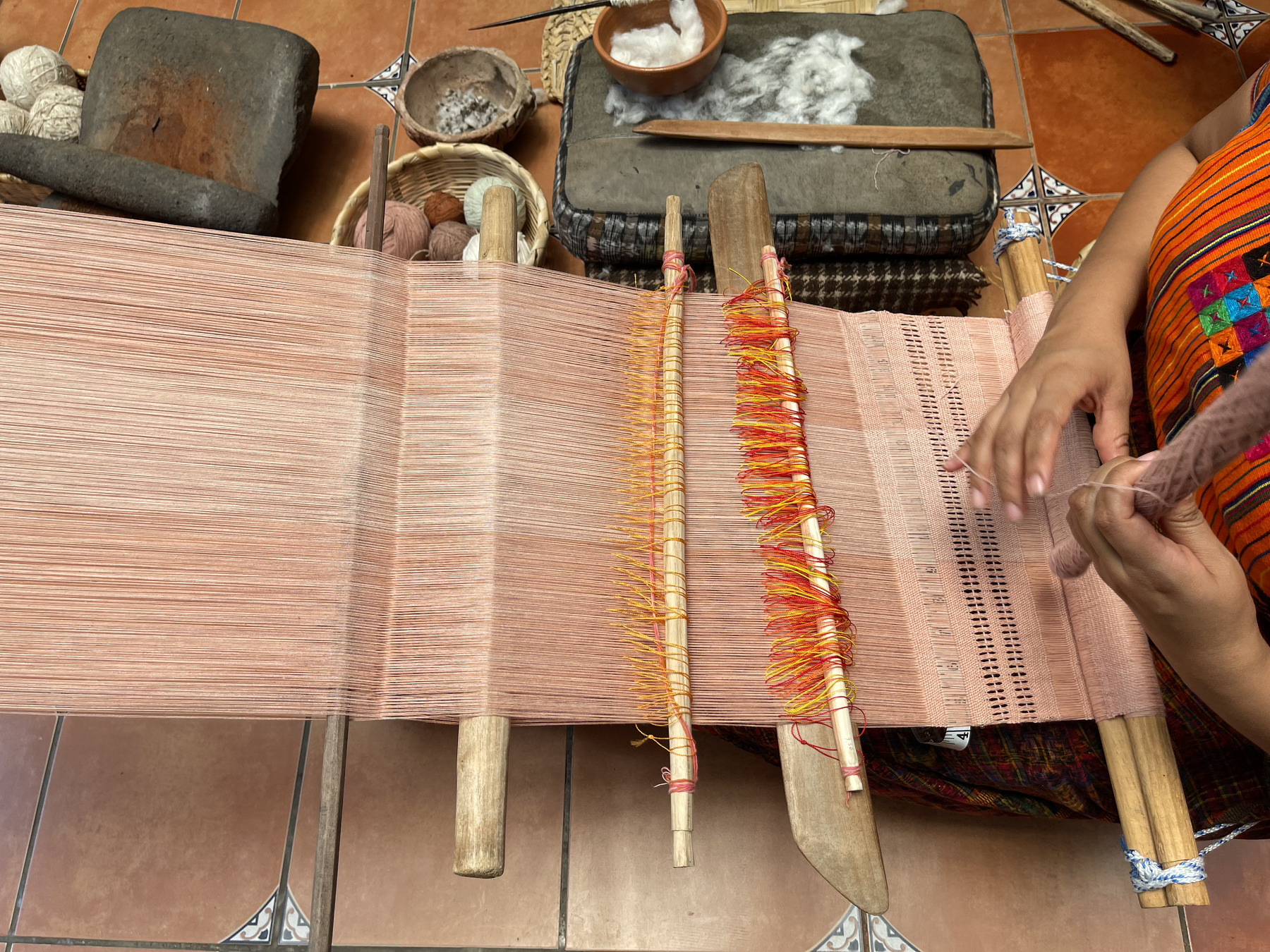
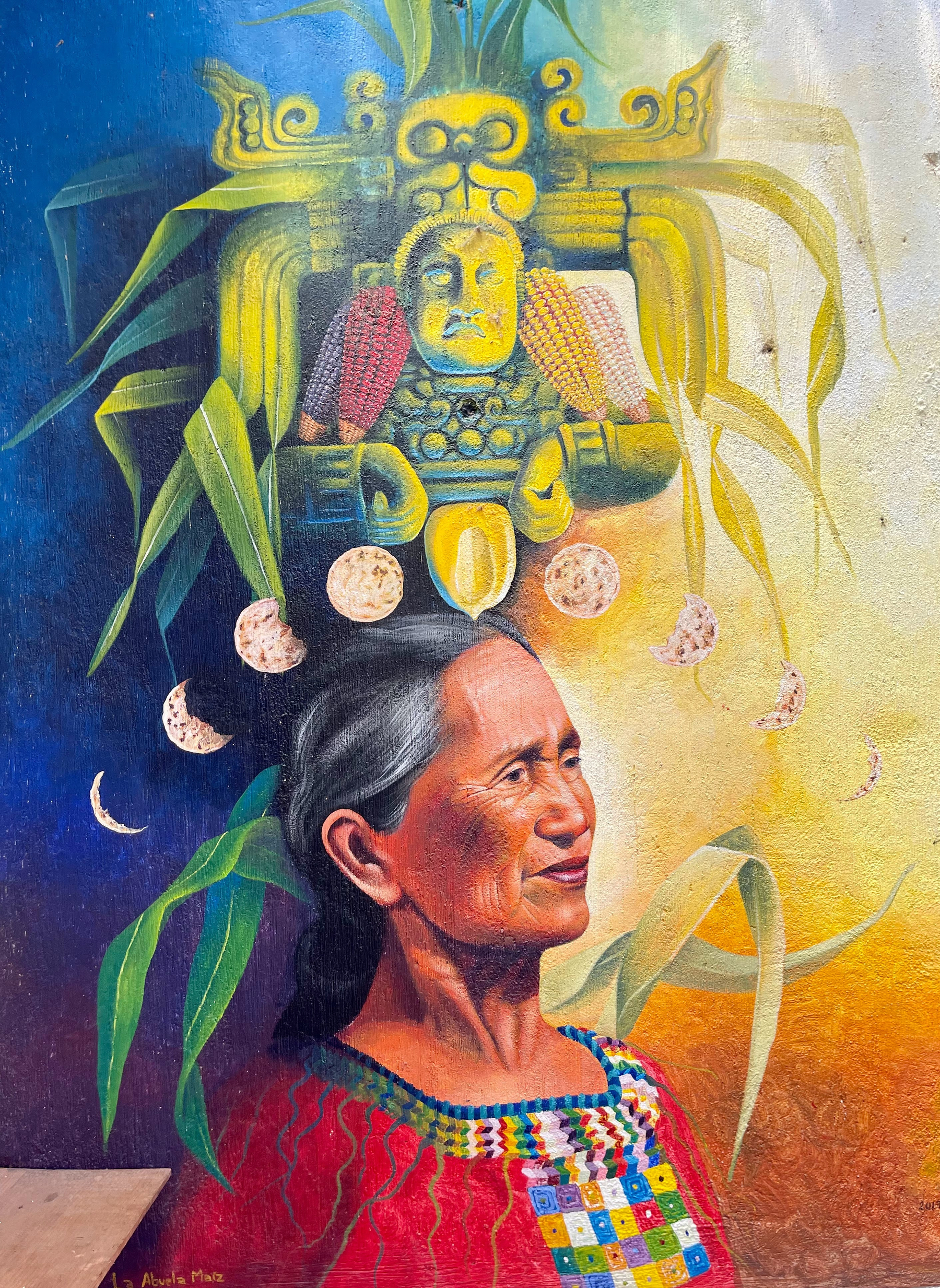
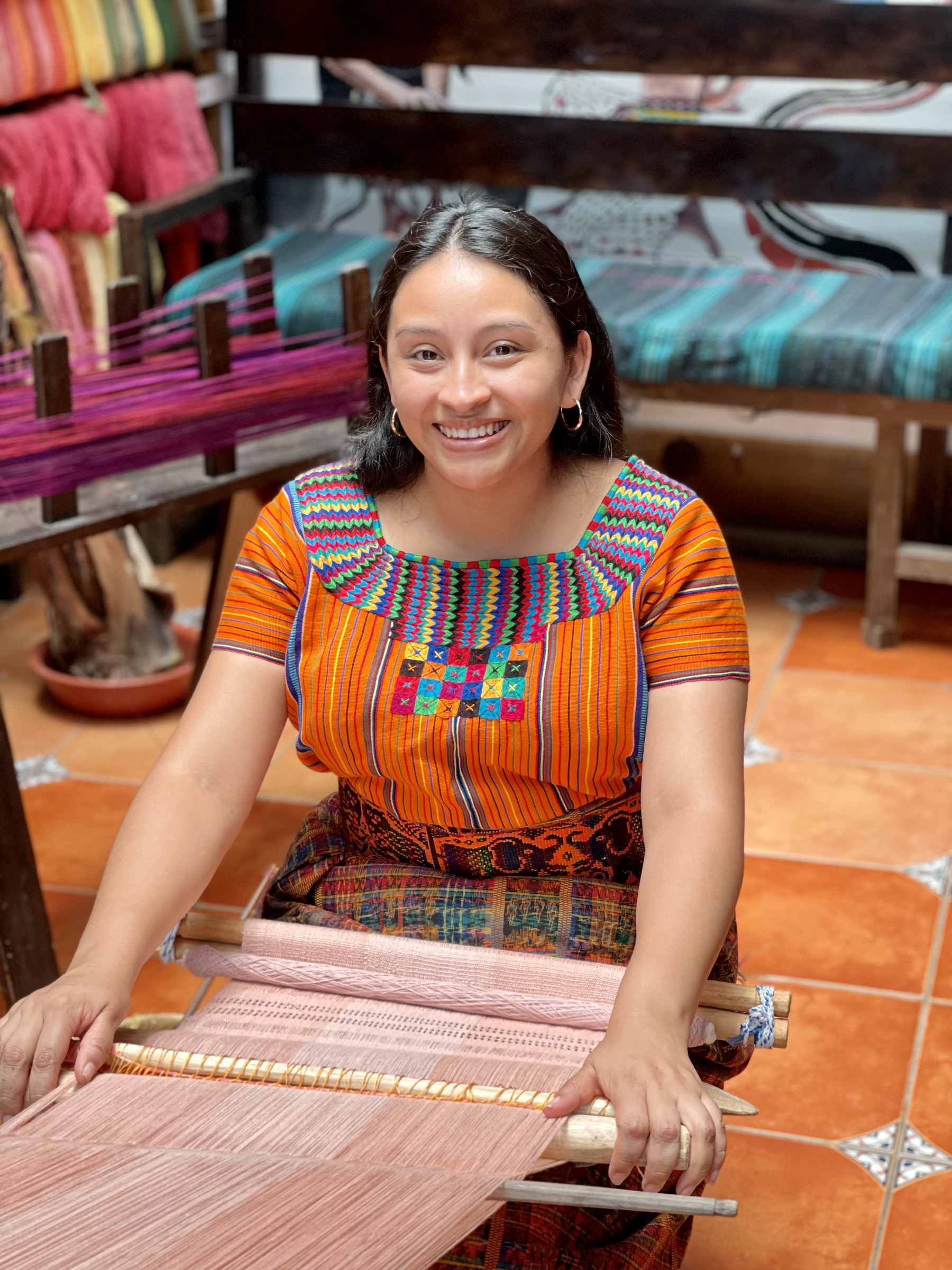
Catching the boat across Lake Atitlán from Panajachel felt surreal. The glassy surface parted beneath the bow, leaving a soft wake behind us on this ancient crater lake. As I stepped off the boat and made my way up the rickety pier, I was greeted by a street brimming with life, market stalls lined the way, vibrant hanging umbrellas overhead, and murals splashed every wall, depicting everything from children playing soccer to vivid celebrations of Mayan culture. The climb into the heart of San Juan La Laguna is steep, and the path is alive with local artisans, painting, weaving, baking, fully immersed in their craft and livelihood. I’d done my research beforehand, so my first stop was Casa Flor Ixcaco, a women-led cooperative perched at the top of the hill. This group of women holds a place of deep respect in the community, more so than in other neighbourhoods, for the way they have harnessed tradition to support local families. Founded in 1996 by Teresa Ujpan Perez, Casa Flor Ixcaco began with a vision: to transform generations-old weaving skills into sustainable income for local women and their families. Today, the cooperative directly supports 34 women and impacts more than 100 community members. Marion was our host that day, bright-eyed, articulate, and deeply proud. With her warm smile and flawless English, she walked us through every step of their process. We watched as she demonstrated how they extract colour from seeds, leaves, flowers, bark, and fruit. Every dye is 100% natural; every thread of cotton is locally grown and handpicked. These aren’t just textiles, they are stories spun from earth and heritage. The shop is a feast for the senses. Shelves overflow with handcrafted bags, blouses, blankets, throws, and scarves in rich, earthy tones. I took my time, touching everything, letting the textures and colours speak to me. Eventually, I chose a scarf, in blues, indigos, and soft whites. I haven’t worn it yet. Somehow, it feels sacred, so it’s draped over my favourite chair at home, tags still attached, a quiet reminder of who wove it and where it came from. Sure, in other parts of Guatemala I could’ve wandered into a market, picked up an armful of textiles, and felt like I’d captured some essence of Mayan culture. But you can’t distil a community into a mass-produced souvenir from a vendor you’ll never remember. This was different. Marion will stay with me, a woman who, with quiet grace, carries the weight of generations on her traditional backstrap loom. The hours she spends hunched over her work, the mastery in her hands, and the pride in her voice have woven themselves into my memory just as surely as they’ve been woven into my scarf. Since returning home, I’ve shared Casa Flor Ixcaco with four organisations in Australia, three are now stocking their work or in active discussions. That, to me, is what travel is about: connection, respect, and helping stories like Marion’s continue to be told.